
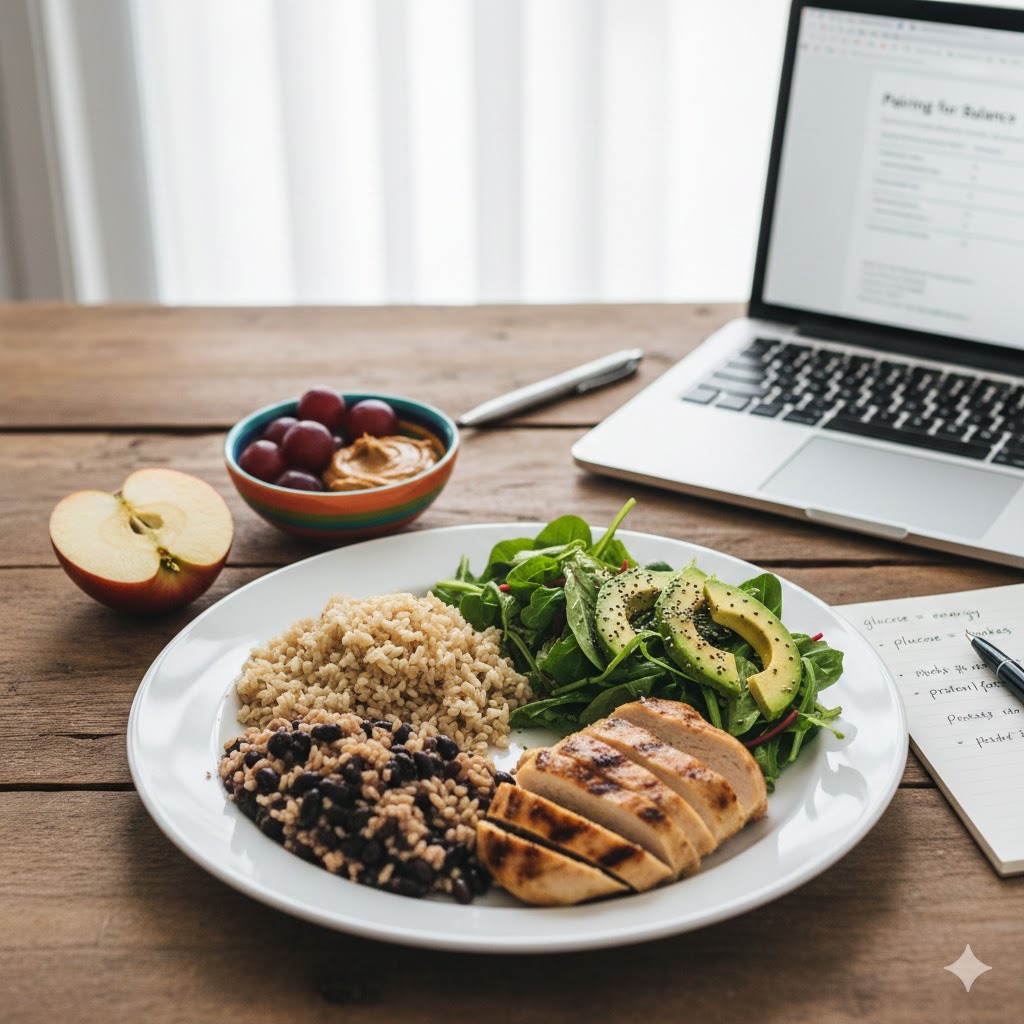
The “Food Confusion” Factor
I recently got my glucose test results back, and honestly? The hardest part isn’t the numbers—it’s the “food math” that comes afterward.
If you’ve ever tried to Google what to eat for blood sugar balance, you know the struggle. You run into a wall of terms like macronutrients, glycemic index, and net carbs, and it quickly feels like you need a PhD just to make a sandwich.
Why It’s So Confusing
The “advice” out there often feels like a series of contradictions:
- The Carb Chaos: Some posts say “no carbs,” others say “complex carbs.” I’m left wondering if a sweet potato is a hero or a villain today.
- The Protein Puzzle: We’re told protein “levels things out,” but how much? And does it count if it’s fried?
- The Information Overload: Most health blogs write as if we already know how these things interact in our bloodstream. (Spoiler: I don’t.)
1. Carbohydrates (The Energy)
These have the biggest impact on your glucose because your body breaks them down into sugar.
- Simple Carbs (Fast fuel): White bread, pasta, sugary cereals, soda, and fruit juices. These spike sugar quickly.
- Complex Carbs (Slow fuel): Brown rice, quinoa, oats, lentils, and beans. These have fiber, which acts like a speed bump for sugar.
- Starchy Vegetables: Potatoes, corn, and peas.
2. Proteins (The Building Blocks)
Protein is essential for muscle repair and, most importantly for you, it doesn’t spike blood sugar like carbs do.
- Animal-Based: Chicken, turkey, lean beef, fish, eggs, and Greek yogurt.
- Plant-Based: Tofu, tempeh, edamame, and seitan.
- Dairy: Cottage cheese and milk (though milk also contains some natural carbs/sugar).
3. Fats (The Buffer)
Fats used to get a bad reputation, but they are actually great for glucose management because they take a long time to digest.
- Healthy Fats: Avocado, olive oil, nuts (almonds, walnuts), and seeds (chia, flax).
- Fatty Fish: Salmon and mackerel (these are great “double threats” because they are high in both protein and fat).
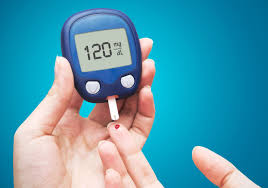
I bought one of these yesterday.
The ladies in the pharmacy were very helpful showing me how to use it.
However this morning it didnt go so well .I had 4 fingers pricked before i had enough blood to put on the strip.
The result of 112 is still in the pre-diabetes range.
| Day | Fasting | Post-Breakfast | Post-Lunch | Post-Dinner | Bedtime |
|---|---|---|---|---|---|
| Monday | |||||
| Tuesday | 152 | 124 | |||
| Wednesday | 112 | ||||
| Thursday | |||||
| Friday | |||||
| Saturday | |||||
| Sunday |
| Day | Fasting | Breakfast (Post) | Lunch (Post) | Dinner (Post) | Bedtime | Notes |
|---|---|---|---|---|---|---|
| Monday | 152 | 124 | ||||
| Tuesday | ||||||
| Wednesday | ||||||
| Thursday | ||||||
| Friday | ||||||
| Saturday | ||||||
| Sunday |
| Term | What it actually means |
|---|---|
| Glucose | The main sugar found in your blood; it’s your body’s primary source of energy. |
| Spike | A rapid rise in blood sugar, usually right after eating “naked” carbs (carbs with no protein/fat). |
| Complex Carb | Carbs with fiber (like beans or oats) that digest slowly, preventing big spikes. |
| Fiber | The “magic ingredient” in plants that your body can’t digest, which helps keep blood sugar steady. |
| Insulin | The hormone that acts like a key, letting the sugar (glucose) out of your blood and into your cells. |
| If you eat this (Carb) | Add this (Protein/Fat) | The Result |
|---|---|---|
| A Banana | A handful of Walnuts | Slower digestion, steady energy. |
| Pasta | Ground Turkey or Tofu | Lower glucose impact than pasta alone. |
| Crackers | Cheese or Hummus | Avoids the “sugar crash” an hour later. |
| Oatmeal | Chia seeds or Greek Yogurt | Keeps you full much longer. |
Closing Thoughts: One Plate at a Time
If there is one thing I’ve learned from diving into these results, it’s that we don’t have to be perfect to be healthy. Glucose management isn’t about deprivation or “boring” food; it’s just about understanding the chemistry of your plate.
By simply pairing our favorite carbs with a bit of protein or fat, we can keep our energy steady and our numbers in check without losing our minds in the process. We’re all just figuring this out as we go, so if you’re still feeling a little confused, take a deep breath—you’ve got the basics down now, and that’s the best place to start.